SRF Boilers


Alongside its filter bag manufacturing, Micro-one Co., Ltd. designs and builds waste incinerators, flue gas treatment systems and power plant dust collection equipment on an EPC basis. Designs are checked with CFD flow analysis and 3D modeling, and every system can be fitted with Micro-one’s own DuraFill™ and CataFill™ filter bags.
We offer cost-effective consulting tailored to each customer and provide after-sales service once the plant is handed over.
Explore: heat recovery and waste-to-energy plants · flue gas treatment systems · power plant dust control · energy facility operations


An SRF boiler burns solid refuse fuel (SRF), made from combustible waste such as waste plastics, rubber and wood, to produce steam and heat. Fuel costs are lower than with fossil fuels, and waste is put to productive use, but the varied fuel composition makes flue gas treatment important. Micro-one designs and builds SRF boilers together with downstream flue gas treatment such as baghouses, electrostatic precipitators and low-temperature SCR.
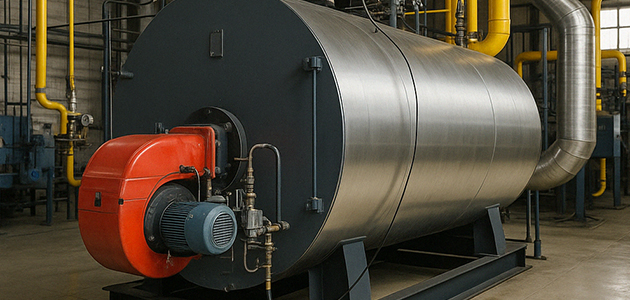
Process heat supply within factories

District heating and heating for public buildings

Small-scale combined heat and power (CHP)
For the baghouse after the boiler, Micro-one supplies its own DuraFill™ filter bags and CataFill™ catalytic filter bags to control dust and NOx together.
A fuel processed from combustible waste such as waste plastics, rubber and wood to deliver a consistent heating value. It is used in industrial boilers, district heating and small combined heat and power plants.
Dust, acid gases and NOx from the fuel are treated with reactors, a baghouse, an electrostatic precipitator and low-temperature SCR, configured to the fuel composition and emission limits.
PTFE filter bags are the usual choice for SRF boiler flue gas, which is high in acid gases and moisture. Micro-one manufactures DuraFill™ ePTFE membrane filter bags for fine dust and CataFill™ catalytic filter bags that reduce dust and NOx together.
Copyright © Micro-one Co., Ltd. All rights reserved.